The project
The Wildfire Data Portal is the result of a continuous effort to improve understanding, preparedness and decision-making for extreme wildfires through collaboration between fire and rescue services, research institutions and non-profit organisations.
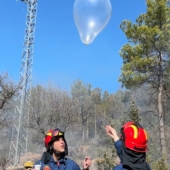
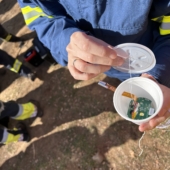
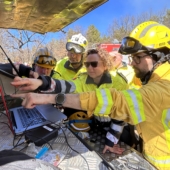
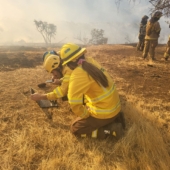
The portal was originally developed through EWED (Extreme Wildfire Events Data hub for improved decision-making), an EU-funded project that ran from 2024 to 2025. EWED brought together operational and scientific expertise to advance the collection, analysis and sharing of data from extreme wildfire events. By combining field observations with fire-atmosphere modelling and operational knowledge, the project helped improve understanding of the complex interactions between wildfire behaviour and atmospheric processes. One of its main achievements was the creation of the Wildfire Data Portal as an open platform to store, share and explore wildfire data and related knowledge.
Following the successful completion of EWED, the work continues through ODET (Open Decision-making system for enhancing Europe’s preparedness and response capacities to ExTreme wildfires), an EU-funded project running from 2026 to 2028. ODET builds on the foundations established by EWED and expands them with new data, scientific knowledge, decision-support tools and training resources.
While EWED focused on establishing the data infrastructure and knowledge base, ODET aims to strengthen the operational use of that knowledge. Through collaboration between fire services, researchers, civil-protection organisations and practitioners, the project seeks to enhance preparedness and response capacities for extreme wildfires across Europe and beyond.
The Wildfire Data Portal serves as a key legacy of EWED and a central component of ODET. Through the project, the portal will continue to evolve with new datasets, functionalities and tools designed to support research, training and operational decision-making.
Together, EWED and ODET represent a long-term commitment to transforming wildfire data, science and operational experience into practical knowledge that helps communities better prepare for and respond to extreme wildfire events.